


Bringing a newborn home is one of life’s most emotional experiences for any parent, especially the first-time ones.
After spending many months preparing for this moment, your tiny baby is finally in your arms. Along with the excitement often comes a flood of questions. Am I doing this right? How often should I feed the baby? Is it normal for them to sleep so much?
If you are asking these things, you are not alone. Every first-time parent feels a mix of joy, worry, and exhaustion in the early days. The truth is, caring for a newborn takes time to learn. You will make small mistakes, and that is completely fine. Babies are wonderfully forgiving, and you will grow more confident each day.
This guide brings together practical advice based on real-life experience and WHO’s Essential Newborn Care principles. You will find clear, simple tips on feeding, sleep, hygiene, bonding, and recognizing when your baby needs medical help. My goal is to help you feel calmer and more prepared for the days ahead.
Parenthood does not come with a perfect manual, but it does come with moments of deep love, tiny victories, and endless learning. So take a breath, hold your baby close, and remember that you are exactly the parent your child needs.

- Immediate Newborn Care After Birth
- Understanding Your Newborn
- Essential Newborn Care Basics
- Building Connection and Nurturing Care
- Health and Safety Essentials
- Parental Self-Care
- Newborn Essentials Checklist
- Final thoughts.
- Frequently Asked Questions
- How often should I feed my newborn?
- How many wet and dirty diapers should my baby have each day?
- What if my baby cries all the time?
- How do I know if my baby is getting enough milk?
- When can I start tummy time?
- Is it normal for my newborn to sneeze or hiccup often?
- How long should my baby sleep each day?
- When should I call the doctor?
Immediate Newborn Care After Birth
The first few minutes following the birth of your baby are very precious for for any parent. Especially, if this is your first baby, you will feel both amazed and nervous watching everything happen so quickly in the delivery room.
These few minutes are even more important for the child, as taking proper care right after birth is crucial for making sure that the baby stays safe and healthy. Knowing what to expect during this time will make you feel calm and confident.
Here are the activities that happen after the baby is born:
Drying and Delayed Cord Clamping
Right after birth, your baby will be gently dried with a warm towel to remove moisture and help maintain body temperature. After this, the doctor or nurse will check the breathing and skin color.
In many hospitals, the umbilical cord is not severed right away. Waiting one to three minutes allows more blood to pass from the placenta to your baby. This extra blood supplies more iron, which promotes healthy growth.
Skin-to-Skin Contact
As soon as your baby becomes stable, they are put right on your bare chest. This is called skin-to-skin contact. It makes your baby feel safer, warmer, and closer to you. It also helps keep their heart rate, breathing, and body temperature in check. This skin-to-skin contact not only makes your baby feel better, but it also helps your body start making breast milk.
If you just had a C-section or need some time to heal, your partner can also hold the baby skin-to-skin. This closeness builds an emotional bond right from the beginning.
Begin Breastfeeding Early
Most newborns are ready to feed within an hour of their birth. Even if your baby just latches briefly, this early feeding stimulates milk production and enhances your baby’s immune system. The first milk, called colostrum, is thick, yellowish, and rich in antibodies that protect your infant from illnesses.
If latching is difficult at first, do not panic. Many new parents require some practice. Nurses or lactation consultants can assist you in finding a comfortable posture and demonstrating how to help your baby latch properly.

Checking Breathing and Warmth
Following this early bonding period, the care staff will monitor your baby’s breathing and body temperature. Newborns lose heat quickly, so keeping them close, wrapped in a warm blanket, or placed under a warmer helps to avoid chilling. Your baby’s first physical examination, including heart rate, skin colour, and muscle tone, is also performed at this time.
Parental involvement
Try to be present in the moment. Ask your doctor or nurse to explain what they’re doing and why. You’ll learn a lot in those first few hours, including how to safely hold, calm, and feed your baby. These early experiences help you establish your newborn care routine and gain confidence as a parent.
Understanding Your Newborn
The first few days at home are frequently a mix of wonder and fear. You may find yourself looking at your kid for hours, fascinated with every sound and movement. It’s useful to remember that babies have their own rhythm, and mastering their cues takes time. The more you observe, the more confident you’ll be.
What Do Newborns Really Need?
In the first few weeks, your baby’s needs are basic: warmth, milk, sleep, comfort, and careful care. They don’t require costly gear or a precise routine. What matters most is responsive care, which involves satisfying your baby’s needs as they arise. Over time, your infant learns to trust you to respond. This creates a strong emotional basis.
Normal newborn behaviour
Newborns frequently amaze parents with their inherent reactions. You might observe your infant leaning towards your voice, grasping your finger, or reacting to loud noises. These modest reflexes indicate good development.
Crying is another typical aspect of baby life. It is your baby’s primary means of expressing hunger, pain, or exhaustion. Some newborns cry more than others, and that’s fine. The goal is to reply gently, even if you don’t understand what the cry means. Over time, you will learn to recognise various cries and what they mean.
Feeding and sleep rhythms
Newborns don’t have a set schedule yet. They typically feed every two to three hours and sleep for sixteen to eighteen hours per day, often in short bursts. It may feel uncertain at first, but this stage will not endure forever. Try to rest whenever your baby sleeps, and forget of the idea of following a strict daily routine for the time being.
Learn Your Baby’s Cues
Each baby communicates differently. When overstimulated, some of them yawn or turn away, and the others rub their eyes when they are tired. Observe your baby’s facial expressions, hand gestures, and body language. These cues will help you know when to feed, comfort, or let your baby rest.
Building Confidence as a Parent
It is entirely normal to question your actions at times, especially in the first monthborn after your baby is born. In fact, every parent feels unsure in the beginning. However, what matters is your willingness to learn and be patient. With each passing day, you’ll improve your ability to read your baby’s needs and respond confidently.
Essential Newborn Care Basics
Once you bring your child home, every day will offer something new to learn. The first few weeks are about finding your rhythm as a family. These newborn care basics will boost your confidence in handling feeding, sleep, hygiene, and other small daily activities that make a big difference.
A. Feeding your newborn
For most new parents feeding their baby becomes one of their biggest worries. Whether you breastfeed or use infant formula, the most important thing is that your baby is fed well, keeps growing, and stays content.
Breastfeeding Tips
Breast milk provides all of your baby’s nutrients for the first six months. Feed on demand, which includes presenting the breast for feeding anytime your baby exhibits indications of hunger, like rooting, smacking lips, or sucking on fingers.Most babies feed every two to three hours.
If latching is difficult or your infant fails to stay latched, seek assistance from a lactation consultant or nurse. Sometimes a slight change in position can make all the difference.
Bottlefeeding and Formula Preparation
When mixing a formula, make sure you follow the instructions carefully. Always use clean and sterilised bottles and nipples. Hold your infant upright during feeding, and keep the nipple full of milk to minimise the chances of the baby swallowing air.
Burping and Feeding Schedules
Burp your infant midway through each feeding session and again at the end of it. This helps prevent gas and spit-up. Instead of watching the time, try to relax and focus on your baby’s cues. On some days, your baby may need to be fed more frequently, especially when the child starts growing fast.

B. Sleeping, Soothing, And Thermal Care.
Newborns sleep a lot, but not necessarily when parents want them to. They frequently sleep in brief cycles of two to four hours.
Safe Sleep Tips
Always put your baby to sleep on their back on a firm mattress without any cushions, blankets, or toys. The crib or bassinet should remain in your room for at least the first six months. This configuration lowers the risk of Sudden Infant Death Syndrome (SIDS)
Keep Your Baby Warm
Newborns have poor temperature control, so managing the room warmth is essential. Keep the room temperature at 68-72°F (20-22°C). Dress your infant in one more layer than you are wearing, and use light blankets or sleep sacks if necessary. Skin-to-skin contact is another excellent approach to keep your infant warm and to strengthen your bond.
Soothing a Fussy Baby
Remember that crying is a form of communication for the baby. Try gentle rocking, white noise, swaddling, or a quick walk around the room to soothe the baby. Some newborns find comfort in being held close and hearing your voice or heartbeat. You’ll quickly discover what works best for your little one.
C. Bath and Hygiene
You don’t have to bathe your newborn every day. Sponge baths are ideal for the first week or two, until the umbilical chord falls off and the area heals.
Bathing Basics
Use warm water and a gentle, fragrance-free baby soap. Support your baby’s head and neck, and make the bath brief. Pat your infant dry with a gentle towel, giving special attention to skin wrinkles where moisture can become trapped.

Umbilical Cord and Circumcision Care
Keep the cord stump clean and dry. Fold the diaper down slightly to allow air to circulate. It normally falls off on its own after about one to two weeks. If your baby is circumcised, follow your doctor’s care recommendations and keep an eye out for redness or swelling thereafter.
Everyday Hygiene
Wash your hands before touching your baby, especially before feeding. To prevent accidental scratching, carefully trim the baby’s nails with a baby nail clipper. After feeding, gently wipe your baby’s cheeks and neck, then clean behind the ears and under the chin.
D. Diapering and Rash Care
Diaper changes will become an important part of your daily routine. Most babies require a change every two to three hours, or immediately after feeding.
Choosing and changing diapers
Both cloth and disposable diapers are fine. The best choice is one that will keep your infant dry and comfortable. Wipe from front to back, particularly for girls, and allow the area to air-dry for a few seconds before putting a new diaper.

Preventing and treating diaper rash
A slight diaper rash is common with babies. To prevent this, change diapers frequently, clean gently, and apply a thin layer of barrier cream or ointment as needed. If the rash lasts longer than a few days or worsens, contact your paediatrician.
E. Understanding newborn poop.
This is a topic that makes every new parent curious and, at times, concerned too. Newborn stool changes swiftly in the first few days after birth, so knowing what is normal will help you relax.
The first Poop (Meconium)
During the first one or two days, your infant will produce meconium, which is a sticky black or dark green stool. This is typical and indicates that your baby’s digestive system is working properly.
Transitional Poop
As your baby begins to feed, the stool turns greenish brown and becomes looser. This period normally lasts two or three days.
Breastfed and Formula-Fed Stool
Breastfed newborns frequently develop mustard-yellow, seedy stool that are mushy and can appear after each feeding. Formula-fed babies typically have thicker, tan or light brown faeces that they pass less often.
When to Call the Doctor.
Contact your pediatrician if your baby’s poop is white, red, or black following the meconium phase, or if he or she hasn’t passed any stool in more than two days. These could be indications of a feeding or digestive issue.
Building Connection and Nurturing Care
Caring for a newborn is more than just feeding and changing nappies. It’s also about developing a strong emotional connection with them. Your infant may not understand words yet, but they can sense your love through touch, tone, and rhythm of care.
The Power Of Gentle Touch and Eye Contact
Your touch is one of the most comfortable things your infant has known since birth. Holding, snuggling, and softly stroking your baby’s skin will make them feel safe and relaxed.
Look into your baby’s eyes while feeding or talking. This will make the baby trust you more and naturally enhance your bond. Babies are drawn to faces, touches, and sounds, particularly those of their parents.
Spend a few minutes every day looking directly at your baby and speaking softly to them. These will make your baby feel more loved and safe.

How Can Both Parents Bond?
Bonding with a child isn’t limited to one parent. In fact, it has been seen that babies flourish when both parents provide daily care. Fathers and partners can form strong attachments by holding the baby skin-to-skin, talking or singing during diaper changes, and taking turns with calming and feeding the baby.
Your baby feels more attached to you when he or she hears your voice, smells you, and moves gently.
If you have older children, assign them simple duties such as getting a blanket or singing to the infant. This makes kids feel included and fosters a sense of familial closeness.
Emotional Wellbeing for Parents
The first few weeks can be both exciting and stressful. Hormonal fluctuations, insufficient sleep, and the pressure to do everything perfectly can all have an impact. During the early days, many parents experience tears or anxiety, which is commonly referred to as “baby blues.” These symptoms normally subside within a week or two.
If sadness, anxiety, or hopelessness persists for a long time, they may lead to postpartum depression. This is normal and nothing to be ashamed of. Speak with your doctor, a counsellor, or someone you trust. Getting aid early allows you to recuperate and care for your infant more easily.
Why Nurturing Care Matters
Babies develop faster and stronger when they feel loved and safe. Consistent care, gentle touch, and calming words shape their sense of safety. Even simple habits, such as singing before bed or keeping your baby close after feeding, can make them understand that the world is a warm and kind place.

Health and Safety Essentials
As a new parent, keeping your kid healthy and safe is one of your top priorities . While it may seem intimidating at first, most safety practices quickly become second nature. Here are some important things to focus on during the newborn stage.
A. Doctor’s appointments and vaccinations
Your baby’s first checkup is normally scheduled within the first few days after birth. In this visit, the paediatrician will assess your baby’s weight, nutrition, reflexes, and overall health. This is also an excellent opportunity to ask any questions you may have regarding feeding, sleep, or umbilical cord care.
After that, your paediatrician will schedule monthly visits to monitor growth and discuss impending immunisations. Routine vaccinations protect your newborn from severe diseases including hepatitis B, polio, and whooping cough. Keep a tiny notepad or digital record of all vaccinations and visits to help you keep organised.
If you notice your baby is not gaining weight or feeding well, contact your doctor immediately. Early detection helps identify minor issues before they become bigger problems.
B. Safe Home and Travel Environment
Your home does not need to be perfect, but it should be safe for your baby. Start by keeping the sleep area simple and clutter-free. Use a firm mattress, fitted sheet, and no pillows, blankets, or toys. Avoid overheating by keeping the room cool and dressing your baby in light layers.
Car Seat Safety
Always use a properly installed rear-facing car seat in the back seat of your vehicle. Never hold your baby in your arms while the car is moving. Many hospitals and birth centers will check your car seat before discharge, so you can be sure it fits correctly.

Avoiding Infections and Germs
Newborns have delicate immune systems. Limit close contact with people who have colds or coughs. Ask visitors to wash their hands before touching the baby. If someone seems unwell, it is okay to politely delay their visit.
Outdoor Care
Fresh air is good for babies, but keep your newborn out of direct sunlight. If you go outside, use light clothing, a hat, and shade. Make sure your baby stays warm during cooler weather but not overheated.
C. Recognizing and Responding to Danger Signs
Even healthy newborns fall sick before you can even know it. So understanding what to look for is critical. Seek medical attention immediately if your child:
- Has a temperature of 100.4°F (38°C) or above.
- Refuses to feed or appears too weak to suck.
- Breathes too quickly or has difficulty breathing.
- Is abnormally sleepy or difficult to wake up.
- Has yellow skin or eyes (possible jaundice).
- Has less wet nappies than normal.
- Shows sudden changes in behavior or color.
Keep the pediatrician’s phone number and the nearest emergency contact information ready at all times. If you are ever doubtful, it is always safer to call or go to the hospital. Quick action can make a significant difference.
D. When Your Baby Needs Extra Care
Sometimes your baby may need extra care that your local clinic cannot provide. In that case, the doctors will recommend you to a specialist or hospital.
If you are advised to go, do so without delay. Early referral helps preserve your baby’s health and ensures that they receive the necessary care as soon as feasible.
Parental Self-Care
Caring for a newborn is one of the most rewarding and tiring things you will ever do. Between late-night feedings and endless diaper changes, it is easy to forget about your own needs. But taking care of yourself is not selfish. It is part of caring for your baby.
Rest Whenever You Can
Sleep deprivation is real during the newborn phase. Try to nap when your baby sleeps, even if it means leaving the dishes or laundry for later. The house does not need to be perfect. What your baby needs most is a rested, calm parent.
If your partner or a family member can help with nighttime feeds, take turns so you both get some rest. Even a short nap can make a big difference in your mood and energy.
Eat Well and Stay Hydrated
It is easy to forget meals when you are focused on your baby, but your body needs fuel to recover and stay strong. Keep simple snacks nearby, such as fruits, nuts, and yogurt. Drink plenty of water, especially if you are breastfeeding, because it helps with milk production and keeps you from feeling drained.
Try not to skip meals. Balanced nutrition gives you the strength to manage long days and nights with your baby.
Share the load
You do not have to do everything alone. You can request your partner, friends, or some family members to help you with simple tasks such as laundry, cooking, or grocery shopping.
People often want to help but do not know how to. Be precise about your needs, whether it’s a meal, a nap, or simply company.
If you are parenting alone, consider contacting local parent groups or community centres. Getting support from other parents may help you feel less isolated.

Mind Your Mental Health
It is common for many new parents to experience moments of sadness, guilt, or anxiety. However, these may signal postpartum depression or anxiety if they last for more than a couple of weeks. Talk to your doctor or a counselor if you notice constant sadness, loss of interest in things you enjoy, or trouble bonding with your baby.
If you ever feel shy, remember that there is no shame in asking for help. In fact, it shows how strong you are. Eventually it will help you recover faster too. When you care for your mental health, you also create a calmer, happier space for your baby to grow in.
Caring for Yourself Helps Your Baby
One aspect of the deep emotional bond that your baby will have with you is that they are able to feel your energy. So when you are well rested and emotionally balanced, you will be able to respond to your baby’s needs in a better way, with a lot of patience and love. Think of self-care as part of your parenting routine, not something extra.
Simple things like a warm shower, a short walk, or a quiet cup of tea can help you reset and face the day with more peace. Small acts of care for yourself build resilience for the months ahead.
Newborn Essentials Checklist
When preparing for your baby’s arrival, it can be tempting to buy any product that you may think will make your parenthood easier. The truth is that you do not require much at the beginning. A few simple, dependable products are all you need to keep your infant safe and comfortable. +
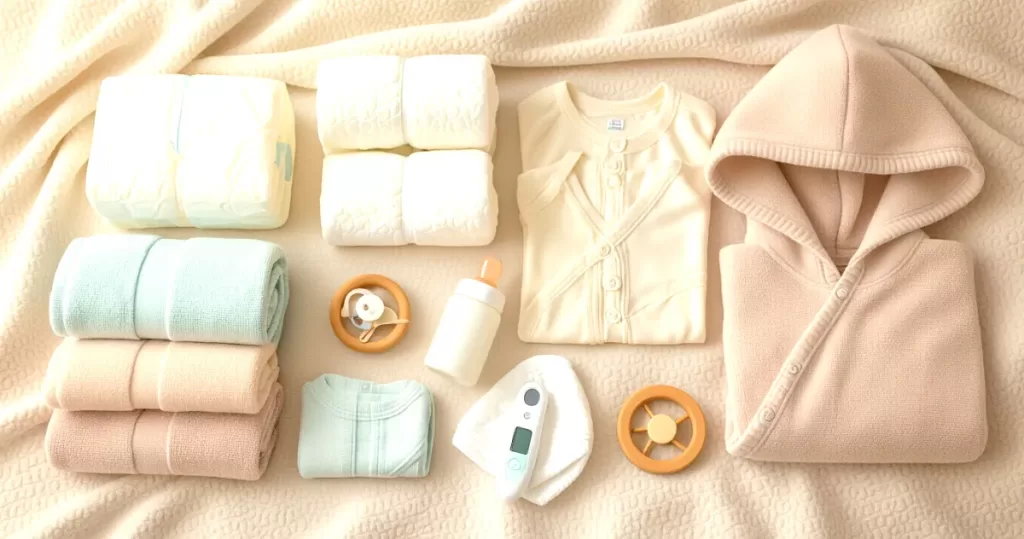
This is a checklist of what you really need in the first few months.
A. Feeding Essentials
- Feeding method: Whether you plan to breastfeed or use formula, make sure you have the necessary materials before the baby arrives.
- For breastfeeding: Breastfeeding requires nursing bras, breast pads, and an ergonomic and comfortable chair or pillow for support.
- For bottle-feeding: Bottle-feeding requires sterilised bottles, nipples, formula, and a bottle brush for cleaning.
- Burp cloths: Keep several burp towels on hand for spit-up and minor messes.
B. Clothing & Sleepwear
- Bodysuits or onesies: For quick diaper changes, use soft cotton bodysuits or onesies.
- Sleepers or footed pyjamas: Two to four are sufficient for alternating between washing.
- Hats and mittens: They provide warmth and protect against accidental scrapes.
- Receiving blankets: Receiving blankets are useful for swaddling or as lightweight coverings.
Remember to buy simple clothes for your baby that will make them feel comfortable. Do not choose tight waistbands or rough seams that might irritate their delicate skin.
C. Diapering Supplies
- Diapers: You can begin with newborn size, but do not overstock as newborns develop quickly.
- Wipes: Use unscented, hypoallergenic wipes or soft cloths soaked in warm water.
- Diaper cream or ointment: Prevents and relieves diaper rash.
- Changing pad or mat: Keeps surfaces clean and gives comfort during changes.
D. Bath and Hygiene Items
- Baby bathtub or basin: Small enough to keep your newborn safe.
- Mild baby soap and shampoo: Select gentle, fragrance-free options.
- Soft washcloths and towels: Hooded towels will help your baby stay warm after bath time.
- Baby brush or comb: Helps in maintaining silky hair and a healthy scalp.
- Nail clippers or emery board: Use these to properly cut the little nails of your baby.

E. Health and Safety Products
- Digital thermometer: For quick and precise temperature readings.
- Baby first-aid kit: It must include a nasal aspirator, infant nail scissors, saline drops, and other essential first-aid items.
- Baby-safe laundry detergent: Choose one that is fragrance-free and gentle on sensitive skin.
- Car seat: Ensure that this is rear-facing and properly installed before leaving the hospital.
- Sleep space: Get a cot or bassinet with a hard mattress and fitted sheet, free from pillows and toys.
F. Comfort and Soothing
- Pacifiers: Some babies find them comforting and soothing. Buy a few ones for your baby.
- White noise machine or quiet music: Helps with sleep and relaxation.
- Baby carrier or wrap: Allows you to have both hands free while keeping your baby close.
- Soft nightlight: Ideal for late-night feedings and nappy changes.
Having these things on hand allows you to spend more time bonding with your newborn rather than shopping. Keep things simple and safe, and remember that your baby’s most important requirement is your care and attention.
What You Can Wait To Buy
Walkers, fancy swings, and loads of baby clothing are all optional. Babies develop quickly, and your demands will vary as your baby does. You must wait and observe what your baby enjoys before investing in larger equipment.
Final thoughts.
Every baby’s newborn stage is normally filled with frequent feedings, nappy changes, and sleepless nights. In fact sometimes things may get so tiring and stressful that this period may get blurred in your memory later.
However, within that haze will be some of the most beautiful moments you will ever have. Holding your baby close, seeing them sleep, and seeing their first grins serve as reminders that all of your efforts have been worthwhile.
Each infant is unique. What works for one family may not work for another, which is absolutely acceptable. Trust your instincts and do what feels best for your baby. You will learn through daily caregiving experiences, one feeding and cuddling at a time.
Remember that asking for help demonstrates strength, not weakness. Talk to your paediatrician, relatives, or other parents if you are unsure. None of us were experts in the start, and even experienced parents continue to learn with each child.
If you found this tutorial useful, check out other parenting articles we have prepared. Here you’ll find practical guidance, true anecdotes, and encouraging insights to help you navigate every step of your child’s development confidently.

Frequently Asked Questions
How often should I feed my newborn?
Most newborns need to eat every two to three hours, which is about eight to twelve feedings in a day. Some babies may want to feed more often, especially during growth spurts. Watch for hunger cues like sucking on fingers, rooting, or fussing instead of waiting for crying to start.
How many wet and dirty diapers should my baby have each day?
By the fifth day after birth, your baby should have at least six wet diapers and three or more dirty diapers each day. These are signs that your baby is feeding well and staying hydrated. If your baby has fewer wet diapers or very dark urine, talk to your pediatrician.
What if my baby cries all the time?
Crying is normal for newborns, especially in the late afternoon or evening. Check for common causes like hunger, a dirty diaper, or being too warm or cold. Try soothing with gentle rocking, soft singing, or skin-to-skin contact. If your baby cries for hours and nothing helps, or the cry sounds weak or high-pitched, call your doctor.
How do I know if my baby is getting enough milk?
A baby who feeds at least eight times in 24 hours, has regular wet diapers, and seems content after feeding is likely getting enough milk. You should also notice steady weight gain during the first few weeks. If you have any doubts, your pediatrician or a lactation consultant can help check your baby’s latch and feeding habits.
When can I start tummy time?
You can begin tummy time as soon as your baby’s umbilical cord falls off and the area heals. Start with a few minutes two or three times a day while your baby is awake and alert. Always stay close and supervise. Tummy time helps strengthen neck, shoulder, and arm muscles and supports motor development.
Is it normal for my newborn to sneeze or hiccup often?
Yes, both are completely normal. Sneezing helps clear tiny nasal passages, and hiccups are common in newborns because their digestive systems are still developing. As long as your baby is breathing easily and feeding well, there is no cause for concern.
How long should my baby sleep each day?
Newborns sleep around sixteen to eighteen hours a day, usually in short stretches of two to four hours. This pattern is temporary. As your baby grows, they will begin sleeping longer at night and taking fewer naps during the day.
When should I call the doctor?
Call your doctor if your baby has a fever, trouble breathing, persistent vomiting, feeding difficulties, or seems unusually sleepy or irritable. You know your baby best, so if something feels off, it is always better to check.




Leave a Reply